
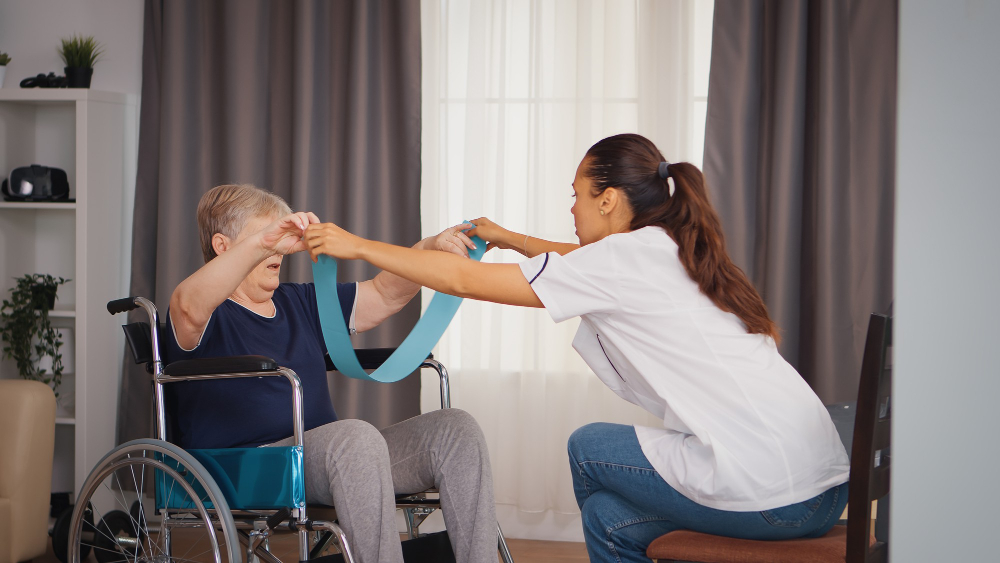
After a brain injury, pain can slow down recovery and affect daily life. That is why understanding brain injury rehab pain relief options is so important. Managing pain helps people heal faster and take part in therapy. In this blog, we will explain why pain relief matters and share the best ways to manage pain during brain injury rehabilitation.
What is Brain Injury Rehab?
Brain injury rehab is a set of treatments that help people recover after a brain injury. For example, it may include physical therapy, occupational therapy, and speech therapy. The main goal is to help people regain movement, strength, and independence. Often, rehab takes place in hospitals, clinics, or at home. Many brain injury rehab clinics in your area offer these services. With the right support, most people can improve their quality of life.
Common Causes of Pain After Brain Injury
Many people feel pain after a brain injury. This pain can come from different sources. For instance, some common causes include:
Because pain can have many causes, it is important to find the right treatment for each person.
Types of Pain Experienced
After a brain injury, people may feel different types of pain. For example, you might experience:
Because each type of pain is different, treatment may vary for each person.
Pain Relief Options in Brain Injury Rehab
There are many ways to manage pain during brain injury rehab. Let’s look at some of the most effective options.
Physical Therapy Techniques
Physical therapy is a key part of pain management after brain injury. Therapists use gentle exercises to stretch and strengthen muscles. As a result, this can reduce stiffness and improve movement. Some common techniques include:
With regular physiotherapy for brain injury pain, many people feel better and move more easily.
Medications
Sometimes, doctors prescribe medicine to help with pain. For example, they may suggest:
However, it is important to use these medicines as directed by a doctor. Overuse can cause side effects.
Non-Pharmacological Methods
Besides medicine, there are other ways to ease pain. For instance, you can try:
Because these methods do not use drugs, they are safe for most people. Always ask your therapist before starting new treatments.
Lifestyle Modifications
Simple changes in daily habits can also help with pain. For example:
With these changes, many people notice less pain and more energy.
Tips for Managing Pain at Home
Managing pain at home is possible with a few easy steps. Try these tips:
Because everyone is different, you may need to try a few methods to see what works best.
When to Seek Professional Help
Sometimes, pain does not get better with home care. In that case, you should talk to a doctor or rehabilitation specialist. Seek help if you notice:
Early treatment can prevent more problems and help you recover faster. Many brain injury rehab clinics in your city can offer expert care.
In summary, pain relief is a key part of brain injury rehab. With the right mix of therapy, medicine, and lifestyle changes, most people can find comfort and improve their recovery. Book your consultation at Sri Balaji Reckon- Advance Chiropractic and Physiotherapy Clinicfor personalized pain relief strategies after brain injury.