
Introduction
Knee pain physiotherapy is a safe and proven way to manage knee problems. Many people experience knee pain due to injury, overuse, or aging. With the right physiotherapy, you can reduce pain, improve movement, and prevent future issues. In this blog, you will learn what knee pain physiotherapy is, why it matters, and how it can help you stay active.
What Is Knee Pain Physiotherapy?
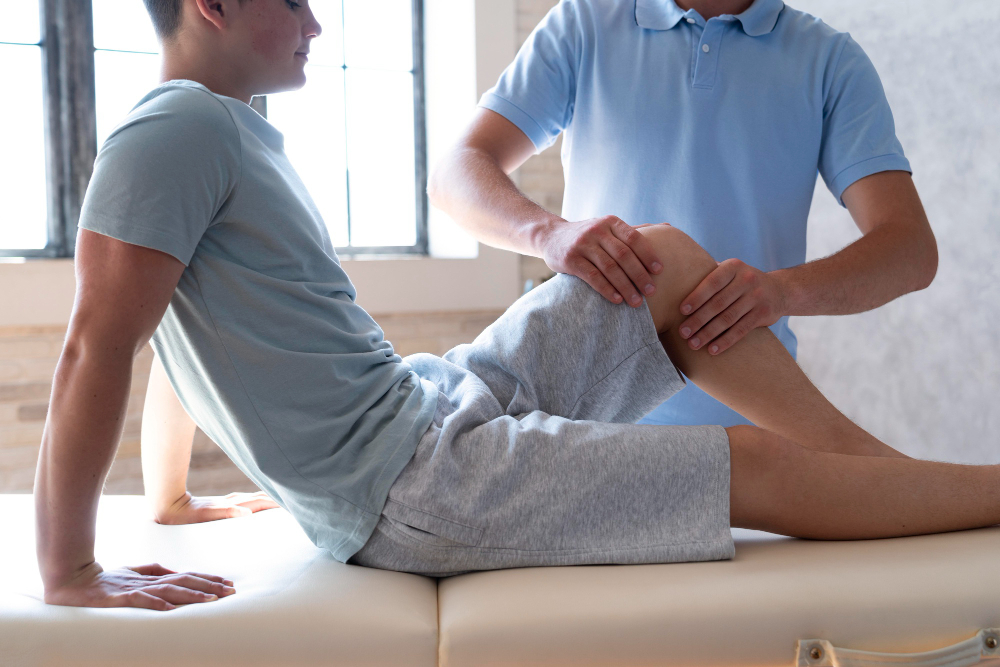
Knee pain physiotherapy uses special exercises and treatments to help your knee heal. A physiotherapist is a trained expert who guides you through safe movements. They use hands-on care, stretches, and advice to ease pain and restore strength. Often, people choose physiotherapy to avoid surgery or strong medicines. It is a natural way to help your knee recover.
Common Causes of Knee Pain
Many things can lead to knee pain. Sometimes, a sudden injury is the cause. Other times, pain builds up slowly. Here are some common causes:
Because knee pain can have many causes, it is important to find the right treatment.
Symptoms That May Need Physiotherapy
Not all knee pain needs medical care. However, some signs mean you should see a physiotherapist. For example, you may notice:
If these symptoms last more than a few days, physiotherapy can help.
How Physiotherapy Helps Knee Pain
Physiotherapy helps by reducing pain and swelling. It also improves how your knee moves. In addition, it strengthens the muscles that support your knee. This support can prevent future injuries. A physiotherapist will create a plan just for you. They will teach you safe ways to move and exercise. As a result, you can return to your daily activities sooner.
Effective Physiotherapy Treatments and Techniques
There are many ways physiotherapists treat knee pain. Some of the most effective treatments include:
Because each person is different, your physiotherapist will choose the best treatments for you.
Recommended Knee Exercises
Simple exercises can help your knee heal and stay strong. Always check with your physiotherapist before starting any new exercise. Here are some common knee exercises:
With regular practice, these exercises can improve strength and flexibility.
Prevention Tips for Knee Pain
Although knee pain is common, you can take steps to prevent it. For instance, you can:
By following these tips, you can lower your risk of knee pain.
When to See a Physiotherapist
Sometimes, knee pain does not go away on its own. You should see a physiotherapist if:
Early care can help you recover faster and prevent long-term problems.
Conclusion
Knee pain physiotherapy offers safe and effective ways to manage knee problems. With the right treatments, exercises, and prevention tips, you can stay active and pain-free. Consult a qualified physiotherapist at Sri Balaji Reckon- Advance Chiropractic and Physiotherapy Clinic for personalized knee pain management.